This is unlikely to cause you any health concerns when you are in a warmer environment. We publish material that is researched, cited, edited and reviewed by licensed medical professionals. The information we provide is not intended to be a substitute for professional medical advice, diagnosis or treatment. It should not be used in place of the advice of your physician or other qualified healthcare provider. It should not be used in place of the advice of your physician or other qualified healthcare providers. Some research shows that alcohol use increases the risk of hot flashes, while other studies have found the opposite.
Alcohol-Induced Hot, Swollen Feet: Causes and Care Tips
- This will give your body a chance to metabolise it without overloading your liver.
- Alcohol consumption can cause your feet to become hot, especially when you drink large amounts.
- Another potential cause of overheating after drinking wine is dehydration.
- The same research review above showed that they start when your blood alcohol levels approach zero.
- It is also important to note that if your diabetes is poorly managed, you may exhibit symptoms of hyperhidrosis.
Intolerances are more common and are characterised by the body’s inability to metabolise alcohol efficiently, often due to insufficient DAO levels or histamine intolerance. This results in adverse reactions, including the release of histamines, which can further complicate the body’s response to alcohol. Alcoholic drinks often feel hot when swallowed due to the presence of ethanol. Ethanol has a boiling point of 78.3°C (173°F), which is significantly lower than that of water. Consequently, when ethanol is in the mouth at the average human body temperature of 37°C (98.6°F), some ethanol molecules will vaporize and turn into gas. This gas is then inhaled, triggering heat receptors in the trachea and lungs.
Why Does Alcohol Make You Sweat?
Some people what is Oxford House have a headache a few hours after drinking wine — especially red wine. But it’s different from a hangover, which may or may not include a headache. It’s possible that some chemicals in wine and how the body responds to them could result in a headache after drinking wine. Talk with your healthcare professional if you’re concerned that frequent heavy drinking may lead to serious problems, such as alcohol withdrawal.
Why Do I Sweat When I Drink Alcohol?
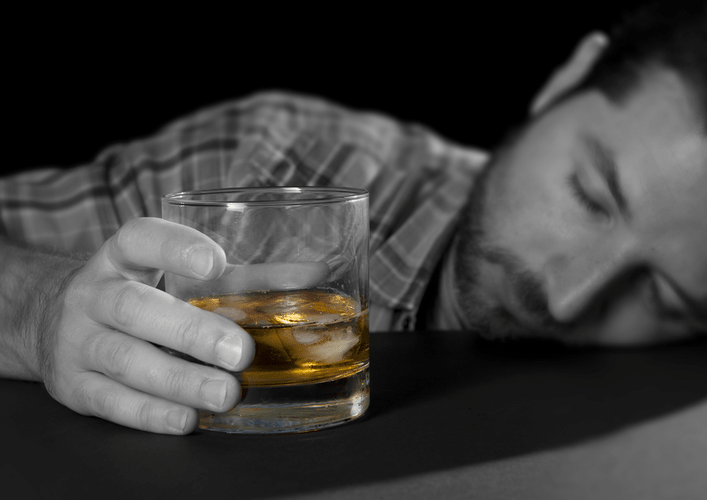
Some research has also shown that people with alcohol dependence benefit from vitamin B6, which you can get from poultry and potatoes. Many people who regularly drink excessive quantities of alcohol become alcohol-dependent. There is a great deal of help for people who are alcohol-dependent and want to stop drinking. Alcohol also increases urination, which makes your body lose water along with sweat and can lead to dehydration. You may sweat due to the heat if you may be drinking in an outdoor environment or under the sun, of course! Besides this, if you’re drinking while seated in a crowded, poorly ventilated place, https://ramnagarhighschool1909.co.in/22-inspirational-sobriety-quotes-2/ you might also feel overheated.
If you suspect this might be the case, talk with your doctor about adjusting or stopping these medications. To make sure you’re staying safe, talk with a doctor to find out the best way to avoid these symptoms. „It is important to discuss these symptoms with a primary care provider and make an informed decision about the impacts of drinking,“ Shilati says. why do i feel hot after drinking alcohol That way, you can have alcohol — if you want to — without feeling sick. Mansour says that a migraine can result when your body releases histamines to deal with your alcohol intolerance. Sure, but a migraine due to alcohol intolerance will come on pretty quickly, and not the next morning.
Excessive drinking has numerous impacts on your body and mind, ranging from mild to severe. Learn which signs to look out for, and how to care for your well-being. Alcohol flush reaction is more prevalent among individuals of Asian descent due to a higher prevalence of ALDH2 deficiency in this population. However, it is essential to note that anyone can experience the reaction, regardless of their ethnic background.
- When you drink alcohol, your blood vessels dilate to get rid of excess heat.
- The lining of your stomach is often irritated by alcohol, according to Harvard Health.
- In reality, drinking alcohol can cause a decrease in your internal body temperature.
- Your body’s fever response is highly related to its inflammation response, according to a 2015 research review.
- Making sure you drink enough water and stay hydrated is also a good option when reducing negative symptoms, including minimising any hangovers the next day (or 2-day hangovers for that matter!).
- He creates this site to offer guidance and support to individuals seeking to overcome addiction and achieve lasting sobriety.
Energize with Food: Pair drinks with hearty meals rich in protein/fat content.
The degree of temperature can also affect the number of receptors activated. The higher the alcohol content, the greater the number of heat receptors that will be affected. This is why you might feel a burning sensation when drinking alcohol.
- With high-proof alcohols, you will likely feel warmth not just in your throat but also in your chest (lungs).
- The Recovery Village provides a wide range of resources for individuals who are struggling with substance abuse or mental illness.
- It is important to seek medical attention if excessive sweating persists or worsens over time, as this could indicate a deeper underlying problem that requires professional care.
While many people naturally experience a body temperature drop overnight as they sleep, studies show alcohol might actually block this natural cycle when one is intoxicated. This can contribute to alcohol-related insomnia, and be especially bothersome for women during menopause. The redness of the face, commonly referred to as “alcohol flush,” occurs due to an enzyme deficiency called aldehyde dehydrogenase 2 (ALDH2). This deficiency impairs the body’s ability to metabolize acetaldehyde, a toxic byproduct of alcohol, resulting in facial flushing. Experiencing hot flushes after alcohol consumption can be a common occurrence for some individuals. Understanding the significance of these hot flushes can help shed light on their potential implications.